
Description
Cigarette Boxes: Complete Guide to Packaging, Cartons, and Custom Designs
What Are Cigarette Boxes and Why Do They Matter?
Cigarette boxes are not just cigarettes. They seal in the product, make it fresh and allow brands to make a big impression. On the surface, a cigarette box looks simple, but its shape, material, branding and legality make it a valuable marketing and protecting device.
In a crowded market, packaging usually speaks before the product. A good cigarette box can attract attention, build trust, and promote a brand. Poor packaging on the other hand, can turn potential buyers off immediately. That’s why cigarette boxes are even more important than most people may think.
How Do Cigarette Boxes Protect the Product?
No cigarette box is protected. Cigarettes are delicate – they may crack easily and become dead when exposed to moisture or air. Good boxes prevent these problems.
Boxes are framed by using cardboard or rigid stock which hold shape and strength. Closets in place seal off air and inner spacing ward off bending or breaking cigarettes. In other words, good packaging keeps the product in perfect condition when it is finally available to the consumer.
What Are the Most Common Types of Cigarette Boxes?
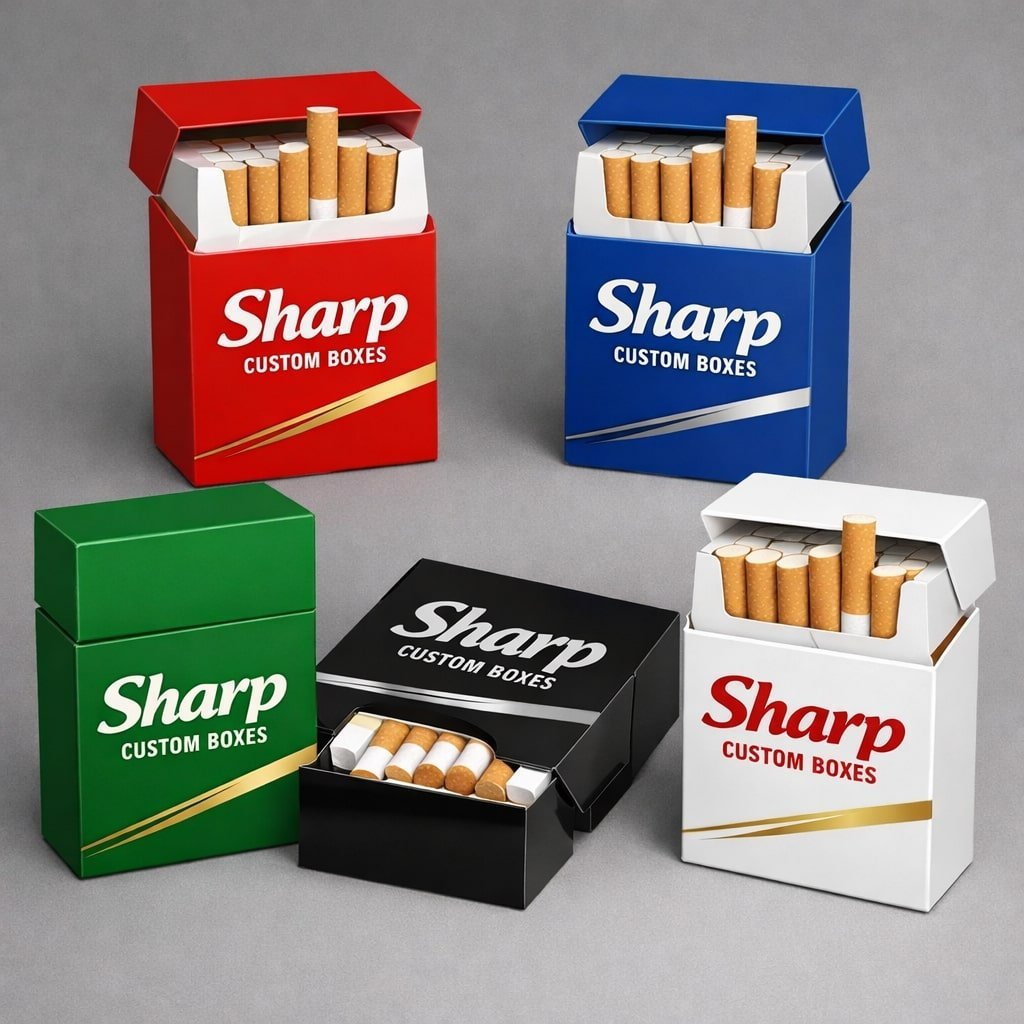
Cigarette boxes come in a number of styles:
- Flip-top boxes: Open and close, easy for daily use.
- Slide boxes: Modern appearance but slightly more premium.
- Hard pack boxes: Strong enough to use with higher-end cigarettes.
- Soft pack boxes are lightweight and cost effective for the most standard brands.
Each type serves a purpose. The correct one is a matter of brand positioning, target audience, and budget.
Why Are Custom Cigarette Boxes Important for Branding?
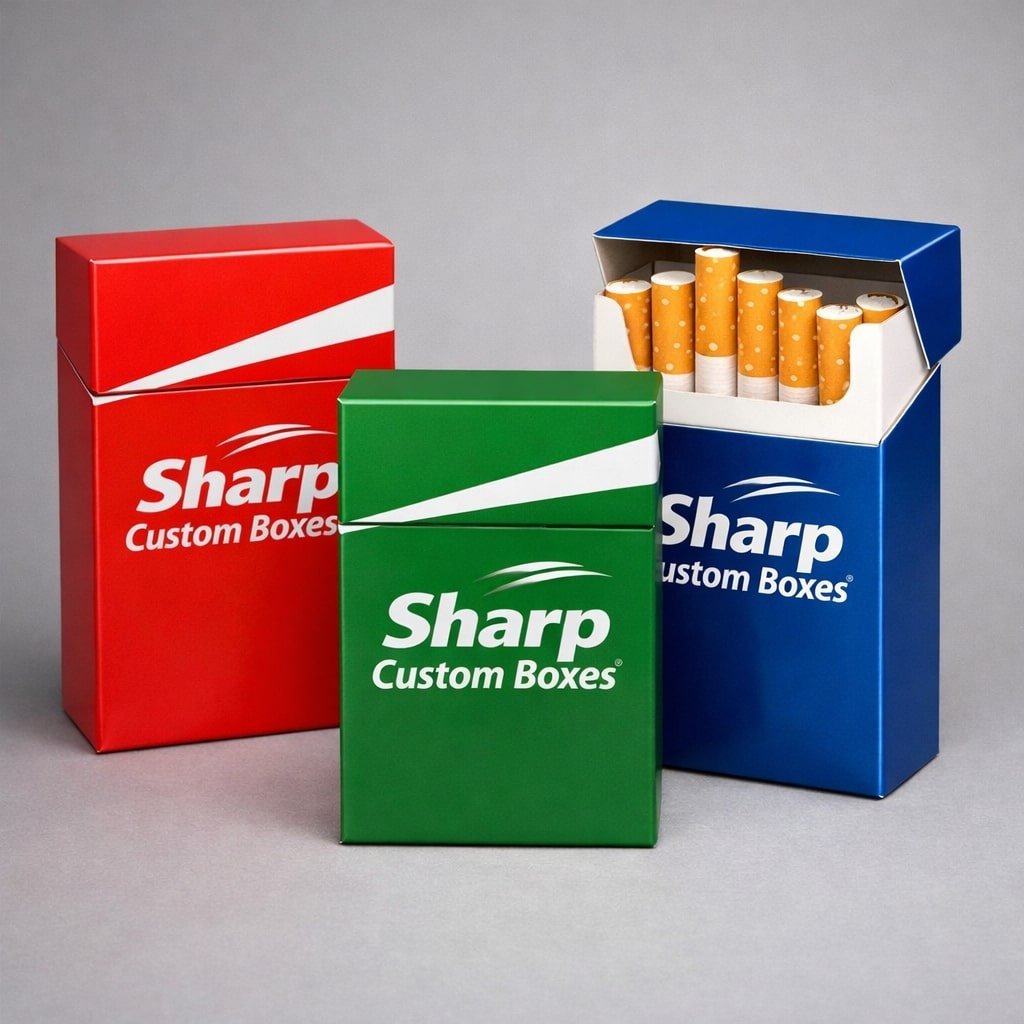
Brands become the distinguishing feature of customized cigarette boxes. Customization, rather than generic packaging, allows for the creation of custom design combinations, colors, and brand names.
Custom boxes also make the product instantly identifiable. By strategically orientating the logo and brand, customers can spot it on busy shelves. Having the same story recited is said to increase brand loyalty and trust.
A well-designed custom cigarette box does more than hold cigarettes, it tells the brand’s story.
What Materials Are Used in Cigarette Boxes?
Durability and appearance depend on material choice. Some of the most popular sources are:
- Cardboard boxes: Light, cheap, and easy to print on.
- Kraft boxes: are eco-friendly or natural.
- Soft boxes: Premium feel and protection – the kind of boxes used in luxury cigarettes.
Material selection depends on the brand’s image, budget, and durability.
How Does Printing Enhance Cigarette Packaging?
Printing turns a simple box into a marketing tool. Modern techniques create sharp graphics, bright colors, and fine details.
- Offset printing is ideal for large runs and repeatability.
- Digital printing is also flexible for small runs or personalized designs.
- Finishing options: Matte, gloss, embossing or foil stamping adds contrast and texture.
Printing also helps make sure that the cigarette box conveys the brand’s message in clear and professional terms.
Are Eco-Friendly Cigarette Boxes in Demand?
Yes, eco-friendly cigarette boxes are becoming popular. To combat clogging, brands are converting to recyclable materials, biodegradable inks and sustainable processes.
Eco-friendly packaging can still look good on the eye. Many good looking sustainable cigarette boxes look stylish and fashionably sophisticated, appealing to shoppers environmentally conscious. Green packaging shows responsibility and improves the reputation of the brand.
What Role Do Regulations Play in Cigarette Box Design?
Cigarette packaging is heavily regulated. Information on health warnings, size of text, labeling, and other requirements varies by country. Compliance is mandatory.
These restrictions provide some flexibility in design, but still allow for creativity. The skilled designers know how to balance branding and compliance. Failure to follow regulations can bring penalties or result in product recall, so stricter requirements are crucial.
How Do Cigarette Boxes Influence Buying Decisions?
Packaging has a direct influence on first impressions. Many customers look at the box before they see the item inside.
A clean and professional box means quality. Luxury is a sign of luxurious finishes. Attentiveness comes from even small details such as the feel or openability of the box. Product packaging is more attractive to buyers and positive packaging experience also tends to contribute towards repeat sales.
How Many Boxes of Cigarettes Are in a Carton?
A standard cigarette carton contains a minimum of 10 individual boxes. Each box is about 20 cigarettes, which is equivalent to 200 cigarettes.
The shape is well known in the majority of markets, largely because it is easily transported, stored, and displayed. But, the contents of a carton may vary slightly depending on the brand, country, or special edition. Check local regulations for exact quantities.
How Many Boxes Are in a Carton of Cigarettes for Retail Use?
Boxes of cigarettes, sold and sold in bulk, almost always contain 10 cigarette boxes in an outer carton.
As a result, the design of the carton ensures: Safe and undetected transport. The boxes will always be set to the correct level. It provides protection against moisture and crushing. Health warnings and labels are clearly displayed.
Some suppliers also make bespoke outer boxes to match the outer box branding, coordinating from warehouse to shelf.
Does the Number of Boxes in a Carton Ever Change?
While 10 boxes per carton is standard, some exceptions exist. Special promotions, duty-free packs, or custom editions may have:
- 8 boxes per carton
- 12 boxes per carton
- Slim or mini cigarette packs with adjusted quantities
Custom packaging solutions allow flexibility while maintaining protection and brand presentation. Legal compliance remains essential for any variation.
Why Choose Wholesale Cigarette Boxes?
Wholesale cigarette boxes reduce cost and simplify inventory management. Bulk orders lower the price per unit and ensure brands have enough stock for consistent supply.
Wholesale packaging also helps retailers manage display and shipping efficiently. Many suppliers provide customization even for wholesale quantities, allowing brands to save money without sacrificing identity.
What Makes Luxury Cigarette Boxes Different?
Luxury cigarette boxes emphasize experience and premium feel. They use thicker materials, sophisticated printing, and high-end finishes.
Luxury packaging is often aimed at niche or upscale markets. When someone opens a luxury box, it feels intentional and exclusive. Premium design not only protects the product but elevates the brand in the eyes of consumers.
How Can Businesses Choose the Right Cigarette Box Supplier?
A reliable supplier ensures quality, consistency, and timely delivery. When choosing a supplier, consider:
- Material and printing quality
- Customization options
- Customer support and communication
- Ability to meet regulatory requirements
A good supplier acts as a partner, helping brands maintain standards and grow their packaging strategy efficiently.
Why Invest in Custom Cigarette Boxes?
Custom cigarette boxes offer multiple benefits:
- Strengthen brand identity
- Protect the product
- Comply with legal regulations
- Influence buyer perception and repeat purchases
Investing in well-designed, branded packaging is not optional—it’s a critical part of product strategy. Good packaging can even increase perceived value, allowing brands to command better pricing.
Final Thoughts
Cigarette boxes are more than just packaging—they’re a combination of protection, marketing, and compliance. From standard boxes to luxury and eco-friendly options, every choice matters.
Cartons, wholesale packs, custom printing, and material selection all play a role in ensuring the product reaches consumers in perfect condition. Investing in high-quality cigarette packaging benefits the brand, the product, and ultimately, the buyer.
A well-designed cigarette box quietly does the work of advertising, protection, and compliance—making it an essential element of the modern cigarette industry. Read more: 1ml vape cartridge packaging

Reviews
There are no reviews yet.