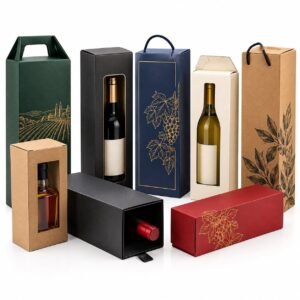

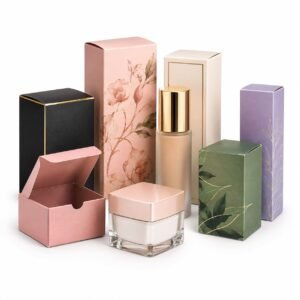
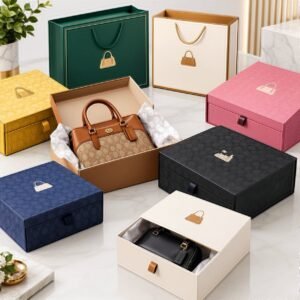


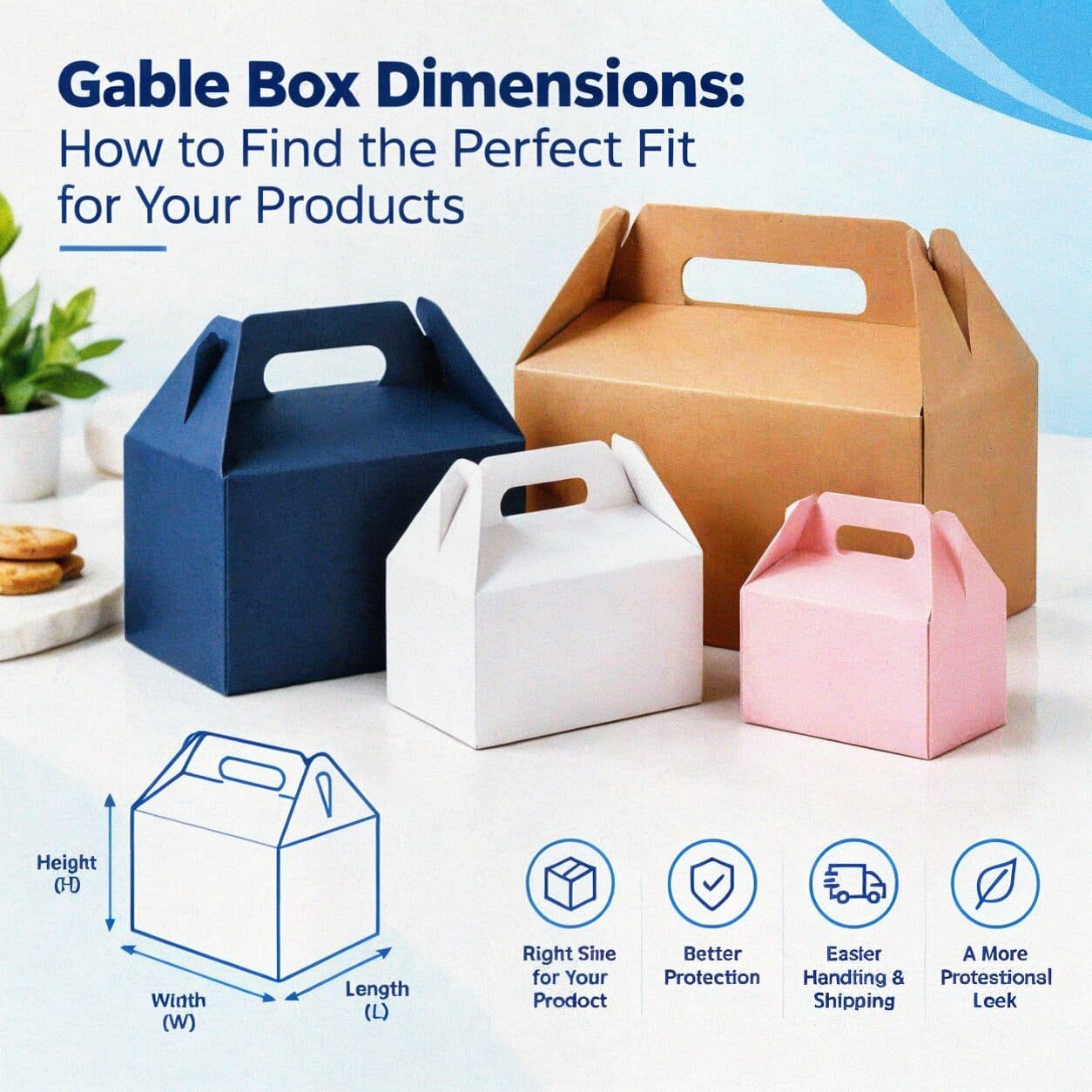
Packaging shouldn’t be about finding a box that looks nice. It also needs to fit the product well, keep everything safe and make handling easy. Gable boxes tick all these boxes and are therefore used for baking products, gifts, takeaway food and retail packaging.
Sloping tops and handles add flair, while the sturdy base provides stability for the contents. But one thing is definitely not to be undervalued: size. The proper size of a gable box can make packing easier, save on space, and provide better experiences for customers.
Whether you’re a small business owner or buying bulk quantities of packaging, knowing the sizes and how to measure them will help you make a better decision.
Understanding the Design of Gable Boxes
Gable boxes are a simple yet functional box that has a flat bottom, four side panels, a folding top and a handle made from the upper flaps of the box. Sometimes, depending on the style of box, it will also have locks to keep the box shut.
The bottom section holds the product, while the sides of the box hold the food contents. The gable shape created by the box’s sloped top and handle allows you to carry it.
This versatility makes gable packaging appropriate for so many purposes. The bakery can use it for cookies and other treats, while retailers may choose it for small gifts or promotional items. With different materials, sizes and printing options, businesses can also personalize the packaging to match their product and branding.
Standard Gable Box Sizes and Dimensions
Gable boxes come in a variety of sizes, so there’s no need to pick one-size-fits all solution. You can choose based on what you’re packing and how much room the product needs to fit.
Here are some example dimensions to help you compare common options.
| Size | Dimensions (L × W × H) | Suitable For |
| Mini | 3 × 2 × 2 inches | Sweets, samples and small favours |
| Small | 4 × 2.5 × 2.5 inches | Chocolates, small gifts and giveaways |
| Medium | 6 × 3.5 × 3.5 inches | Cookies, bakery treats and gift items |
| Large | 8 × 4 × 4 inches | Retail products and gift collections |
| Extra Large | 10 × 7 × 8 inches | Multiple items and larger gift sets |
These sizes are examples only. This is not the standard. Some manufacturers’ containers may vary in size and usable capacity.
For example, a small box may be good for a few chocolates, but not for something that needs protecting inserts. Larger gift sets may require extra room to store their contents.
Before ordering, check whether the measurements are for the inside or the outside of the box. This little detail can make a world of difference when you are measuring a size.
How to Measure Gable Box Dimensions
Measuring a gable box is a simple process as long as you know which parts to check, and follow these steps to get a more precise measurement.
Measure the Length
Place the box on a flat surface, measure the longest side of the base. Keep the tape straight to avoid recording a mistake.
Measure the Width
So measure the shorter side from the front to the back of the base. This shows how much space is left on the bottom.
Measure the Body Height
Measure vertically from the bottom panel to the point where the side walls meet the sloped top. Do not include the roof or handle in this measurement.
Check the Total Height
If you need to know how tall the whole box will be, measure from the base to the highest point of the handle. This measurement is very helpful when planning shelf space, display or shipping cartons.
Confirm the Internal Measurements
The size on the outside does not tell you how much space the product will have inside. The thickness of the material, the folds and the shape of the top may decrease the usable space.
If you’re ordering custom boxes, measure first and email your order details to your supplier. Add room for wrapping, cushioning or inserts.
What to Consider When Choosing a Gable Box Size
While the dimensions are very important, there are several other things to consider before you make your final decision.
Product shape and size: Measure your product at its widest, longest and tallest points. Leave enough room for it to fit within the jar without pushing it into place.
Weight and durability: Larger products may need thicker paperboard or a reinforced base. Check that the material and lock design are suitable for the weight being carried.
Extra protection: Fragile items may need dividers, inserts or cushioning. Be sure your box has room to accommodate these.
Storage and transport: Flat packed boxes save space in storage and can be stacked flat. When you are using flat-packed boxes for deliveries, keep in mind that the dimensions of the boxes can have an effect on the way packages are packed and priced.
Brand presentation: The packaging should complement, not overwhelm, your product. A well-portioned box, printed in a pleasing manner and finished to your satisfaction can create a professional look.
Businesses looking at personalised packaging may be interested in Sharp Custom Boxes for options depending on their products and presentation requirements.
Why Accurate Measurements Make a Difference
While not the correct size, it can help you avoid several of the common problems encountered when packaging. A box that is too small may damage the contents or cause packing to be difficult. A box that is too large could leave your products bouncing around the box, requiring more protective material.
The accurate measurements also make it easier for businesses to organize their packing supplies more efficiently. If boxes fit products properly, there’s less wasted space to fumble with when they’re storing, packing and shipping.
Customers like it, too. Easy-to-carry and easy-to-open packages make the consumer experience a more pleasant one. The right proportions can also make the contents of gift boxes or retail products appear more appealing.
Final Thoughts
The gable box measurements need not be difficult to find. Use the product’s measurements and make sure you check the length, width and height of the box, as well as the handle. Also check the interior space for extra protection (if the item needs more room).
Standard sizes can be used as a starting point, but custom sizes may be a better choice if your boxes have unusual shapes or are packed in a specific way. By thinking about the size, strength and appearance of the material, you can select gable boxes that work well with your products and make a good impression on your customers.