



Packaging holds more than just a product: it protects the product while it is stored, is safe in transit, looks good on the shelf, and presents a professional first impression. Most companies struggle with what material to choose. Some waste money on materials that tear easily or spend too much on products they don’t need.
Because you never know where your product will end up, this is why it’s so important to know the 10 types of packaging. You’ll want to know what to choose and if it will help reduce damage, increase sales, or even save you money on shipping. If you have an eCommerce store, food business, cosmetics brand, or retail store, you should know about the packaging materials you have in your warehouse.
In this guide, we’ll discuss the most common packaging materials, how they work, and where they should be used.
What Is 10 Types of Packaging Materials?
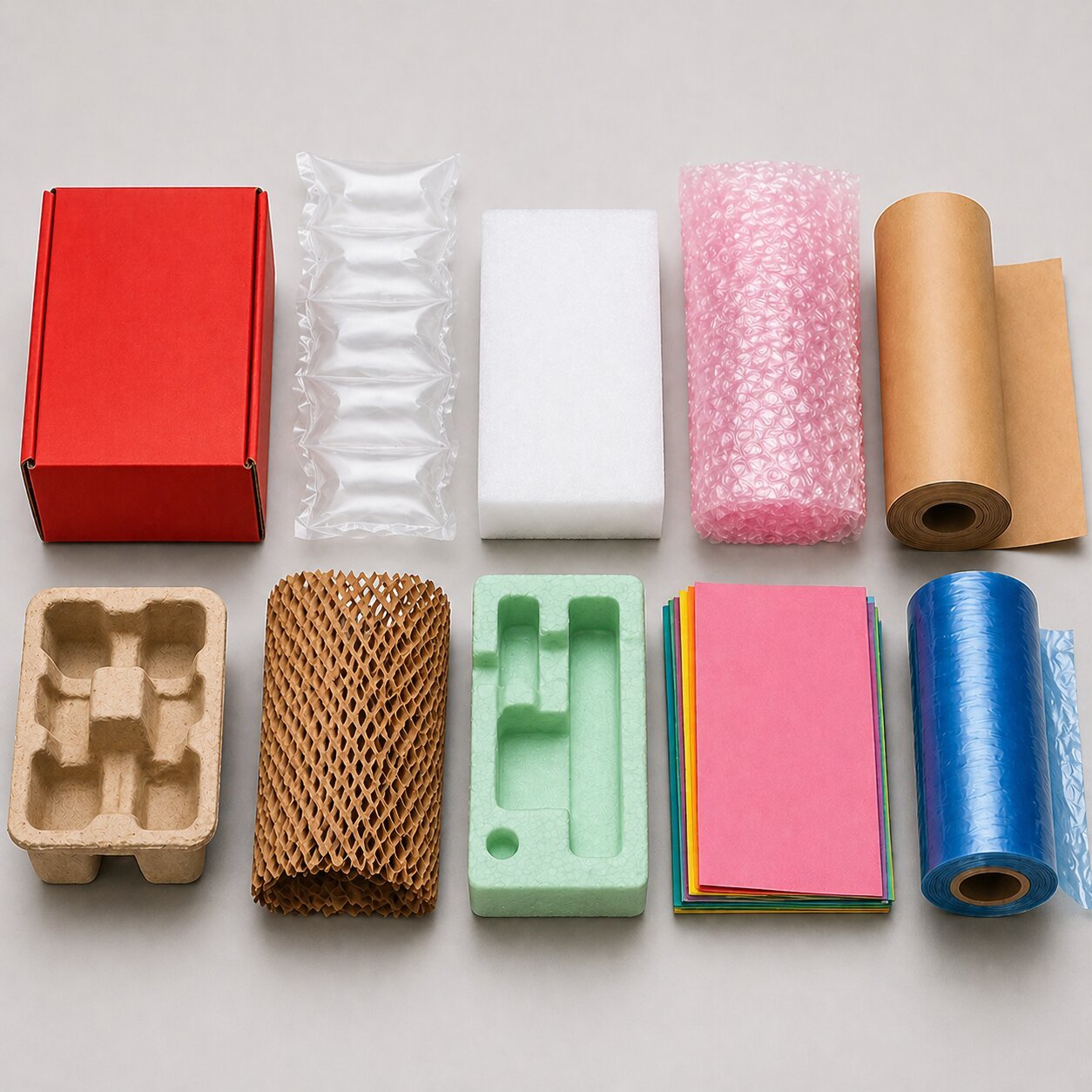
The term 10 types of packaging materials is short for the most commonly used packaging materials that businesses use in packing, storing, displaying and shipping products. Each material has a different strength, cost, weight, appearance, and environmental impacts.
Some materials are best for delicate goods, some are good for food safety, packaging for brands, or eco-friendly packaging. Rather than picking one material that fits all, smart businesses mix and match the packaging material to meet each product’s needs.
The most common packaging materials include:
- Cardboard
- Corrugated board
- Kraft paper
- Paperboard
- Metal
- Rigid boxes
- Foam
- Fabric
- Biodegradable materials
- Wooden packaging
Each one serves a different purpose in the packaging industry.
Why Packaging Materials Matter in Modern Industry
Packaging choices affect more than appearance. They affect costs, customer experience, logistics, and sustainability.
Product Protection
Strong materials will not be damaged by drops, moisture, heat, or pressure.
Brand Image
Premium packaging makes unboxing faster and builds trust.
Shipping Efficiency
Lighter materials can reduce delivery costs.
Regulatory Compliance
Food, medical, and cosmetic products typically require packaging standards to be approved.
Sustainability Goals
Many brands now choose better materials to reduce the amount of waste produced.
In sum, packaging materials play a major role in the success of an industry.
10 Types of Packaging Materials and Their Uses
1. Cardboard Packaging
Cardboard is one of the most popular packaging materials. It is lightweight, cheap, and easy to print on.
Best for: Retail boxes, cereal boxes, cosmetic boxes, light products.
2. Corrugated Board
Corrugated packaging uses fluted layers between sheets of paperboard for strength and cushioning.
Best for: Moving boxes, shipping boxes, eCommerce packaging.
3. Kraft Paper Packaging
Kraft paper is a staple product of the natural brown color and also eco-friendly.
Best for: Organic products, bakery items, gift wrapping, paper bags.
4. Paperboard Packaging
. Paperboard is thinner than corrugated paper but stronger than regular paper.
Best for: Medicine cartons, cosmetic packaging, lighter retail products.
5. Metal Packaging
Metal packaging includes aluminum and steel containers.
Best for: Food cans, beverages, industrial products.
6. Rigid Boxes
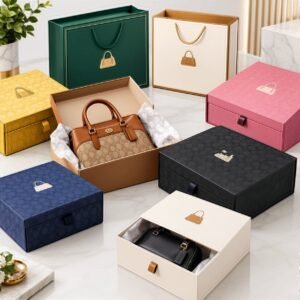
Rigid boxes are premium packaging made of thick board materials.
Best for: Luxury products, jewelry, electronics, gifts.
7. Foam Packaging
Foam is used as a cushion and to protect clothing.
Best for: Electronics, fragile items, protective inserts.
8. Fabric Packaging
Fabric bags, jute bags, and reusable cloth wraps are available.
Best for: Fashion products, gifts, premium packaging.
9. Biodegradable Packaging Materials
These materials break down naturally over time and support greener business practices.
Best for: Sustainable brands, food packaging, eco-conscious companies.
10. Wooden Packaging
Wooden packaging is sturdy enough to handle the rigors of transportation and storage.
Best for: Industrial goods, machinery, export shipping, pallets.
Conclusion
Understanding the 10 types of packaging materials helps businesses choose wiser solutions for packaging, branding, and shipping. From cardboard and kraft paper to rigid boxes and wooden boxes, each material has its own purpose. If you need custom packaging services, contact Sharp Custom Boxes. Read more: Top Custom Bottle Boxes Size, Color and Cost